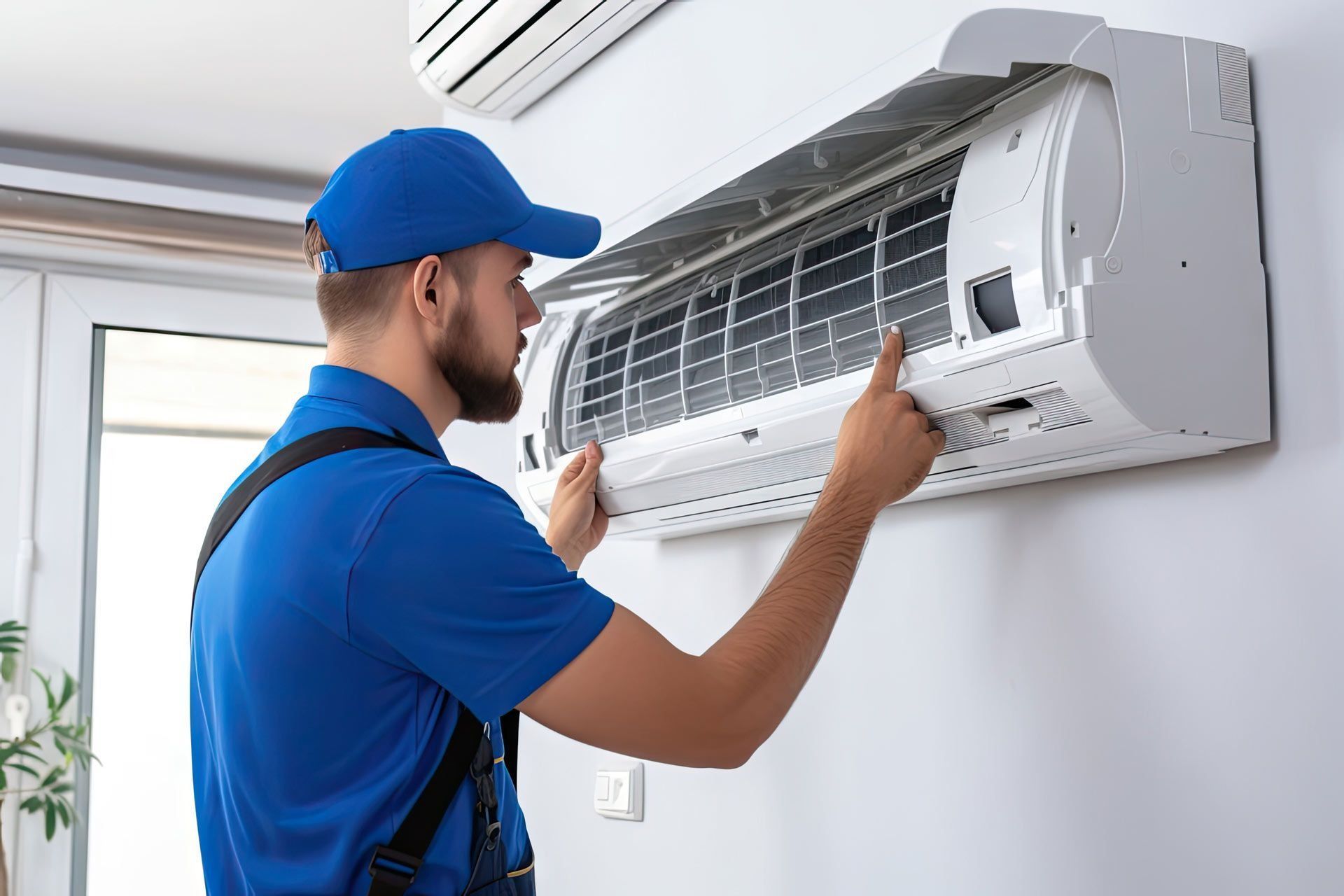
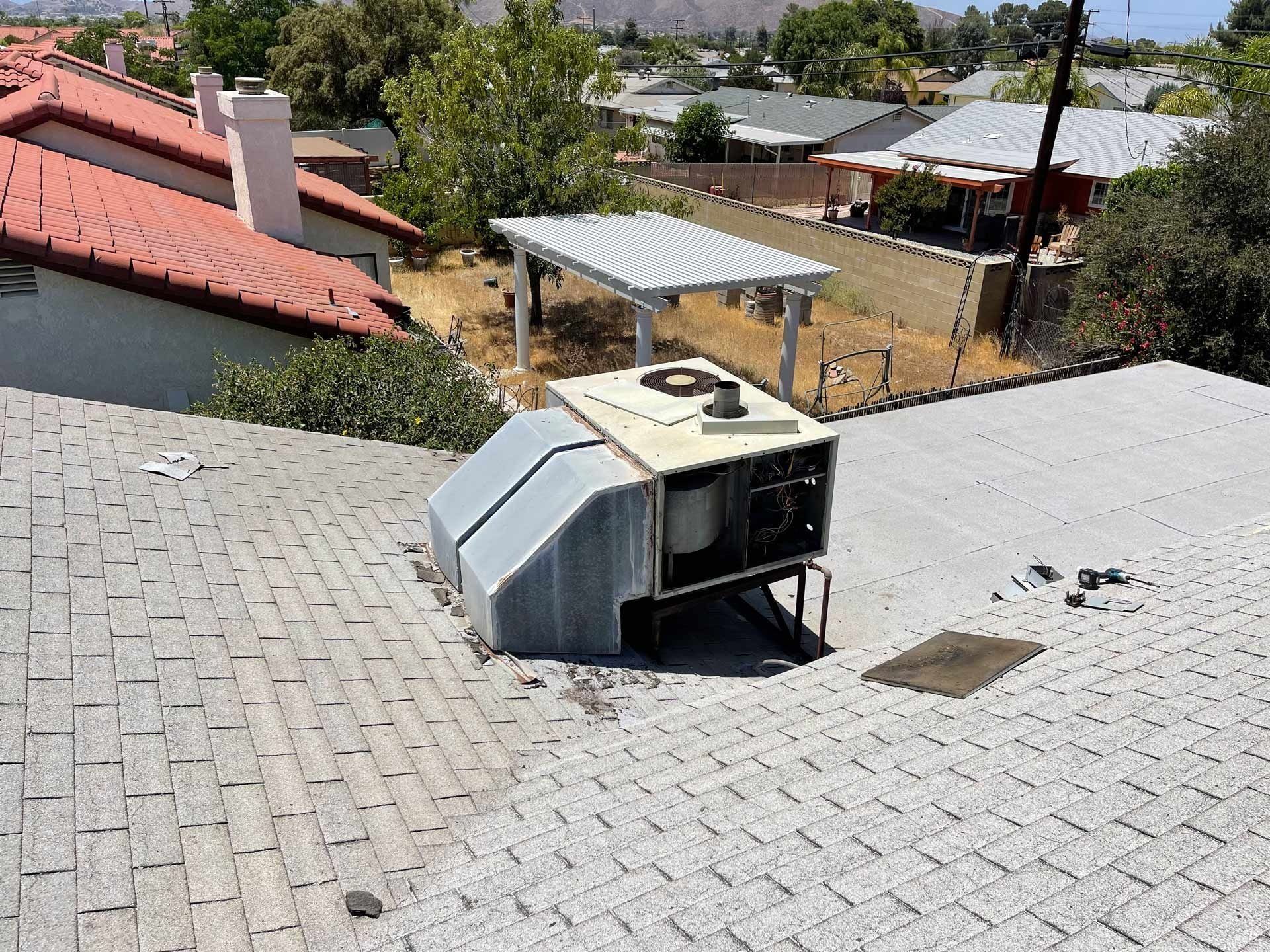
If your air conditioner turns on and fills your home with an unpleasant odor, it’s more than just a nuisance—it could be a sign of a serious problem. Strange AC smells are a common issue in Fallbrook homes, especially during the first hot weeks of summer when cooling systems are fired up for the first time in months.
At
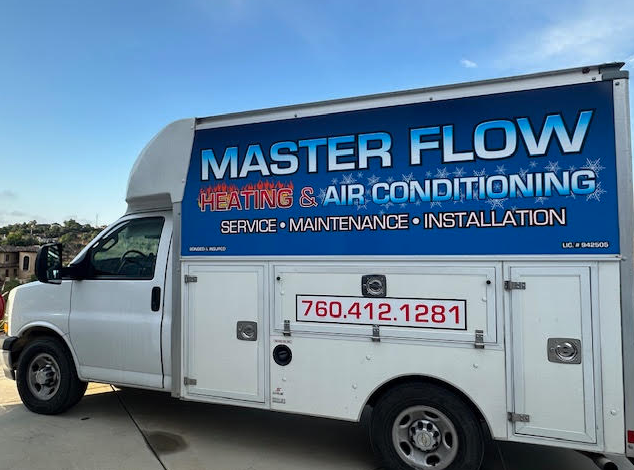
Master Flow Heating & Air Conditioning, we get frequent calls from homeowners asking,
“Why does my AC smell weird?” In this guide, we’ll break down the
most common causes of bad AC smells, what they mean, and how to fix them safely.
Common AC Smells and What They Mean
1. Musty or Moldy Smell
What it means: A musty odor usually signals
mold or mildew growth inside your AC system or ductwork. Moisture buildup in the evaporator coil or drain pan can create a breeding ground for bacteria.
Risks: Poor indoor air quality, increased allergy symptoms, mold spreading to other parts of the home
Solution: Schedule a professional cleaning of your evaporator coil and ductwork. [Indoor Air Quality Services – https://www.fallbrookhvacservice.com/indoor-air-quality]
2. Burning or Electrical Smell
What it means: A burning odor may be caused by
overheating components, such as the blower motor or wiring. It can also indicate a buildup of dust inside the system.
Risks: Fire hazard, electrical failure, motor burnout
Solution: Turn off the system immediately. Contact an HVAC professional to inspect electrical components before further use.
3. Rotten Egg or Sulfur Smell
What it means: This smell may indicate a
natural gas leak (if you have a gas furnace connected to your HVAC system). Although ACs themselves don’t use gas, the smell can sometimes come through shared ductwork or nearby appliances.
Risks: Immediate safety threat, potential explosion
Solution: Leave the home immediately and call the gas company or fire department. Do not operate your HVAC system until the leak is cleared.
4. Dirty Sock Smell
What it means: This unpleasant odor, often compared to sweaty laundry, is caused by bacteria growing on the evaporator coil—especially if moisture is left behind after the system cycles off.
Risks: Persistent odor, compromised indoor air quality
Solution: Professional coil cleaning and possible UV light installation to prevent future bacterial growth.
5. Chemical or Sweet Smell
What it means: A sweet, chemical-like smell may indicate a
refrigerant leak. Refrigerants like R-410A have a faint sweet odor and are toxic if inhaled in large quantities.
Risks: System performance loss, refrigerant poisoning, increased cooling costs
Solution: Contact an HVAC technician immediately to locate and repair the leak, and recharge the system safely.
What Causes AC Odors in Fallbrook Homes?
Several environmental and system-related factors contribute to unpleasant smells in air conditioners across Fallbrook and nearby communities:
- High humidity: Encourages mold and mildew growth in systems without proper drainage or dehumidification
- Dust and pollen buildup: Common in dry Southern California climates, especially if filters aren’t changed regularly
- Rodent activity: Mice or other pests may nest or die in ductwork, especially during cooler months
- Poor maintenance history: Dirt and bacteria collect over time without professional cleanings
How to Prevent AC Odors in the Future
The best way to avoid foul AC odors is with routine maintenance and good airflow practices. Here’s what we recommend for Fallbrook homeowners:
1. Change Filters Regularly
Replace filters every
1 to 3 months depending on usage, pets, and allergies. High-efficiency filters help trap dust, mold spores, and other contaminants.
2. Schedule Annual Maintenance
Have your system cleaned and inspected by a professional at least once a year—preferably in spring before heavy usage begins.
3. Keep the Area Around the Outdoor Unit Clear
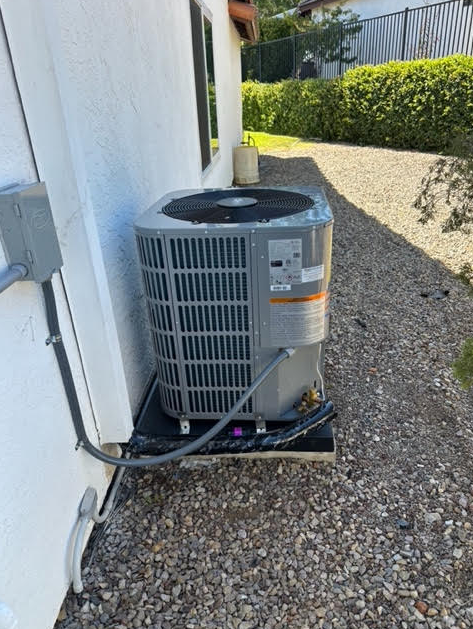
Leaves, moisture, and dirt can affect performance and airflow. Maintain at least two feet of clearance around your condenser.
4. Install UV Lights or Air Purifiers
For homes with ongoing mold or bacteria issues, adding UV lights to your system can kill microbes before they enter your ductwork.
5. Use a Dehumidifier During Humid Months
Keeping relative humidity below
50% indoors reduces the risk of mold and bacteria growth inside your HVAC system.
Frequently Asked Questions
Is it safe to run my AC if it smells bad?
No. Some odors—especially those linked to burning, gas, or refrigerant leaks—could signal a dangerous issue. Shut the system off and contact a licensed technician.
Can I clean my AC coils myself?
We recommend leaving coil cleaning to HVAC professionals. Attempting to clean internal components without proper training or tools can cause damage or void your warranty.
What if the smell comes back after cleaning?
Recurring odors could point to deeper issues like mold in the ductwork, refrigerant leaks, or persistent bacterial growth. A more thorough system evaluation may be necessary.
Don’t Ignore That Smell—Call Fallbrook’s AC Experts
Strange odors from your air conditioner are more than just an inconvenience—they’re a warning sign. Whether it’s mold, burnt wiring, or a refrigerant leak, Master Flow Heating & Air Conditioning is here to diagnose and fix the issue quickly and safely.
We serve homeowners throughout Fallbrook, Bonsall, and surrounding communities with expert repair, maintenance, and indoor air quality services.
Phone: (760) 412-1281
Schedule Service: https://www.fallbrookhvacservice.com/contact