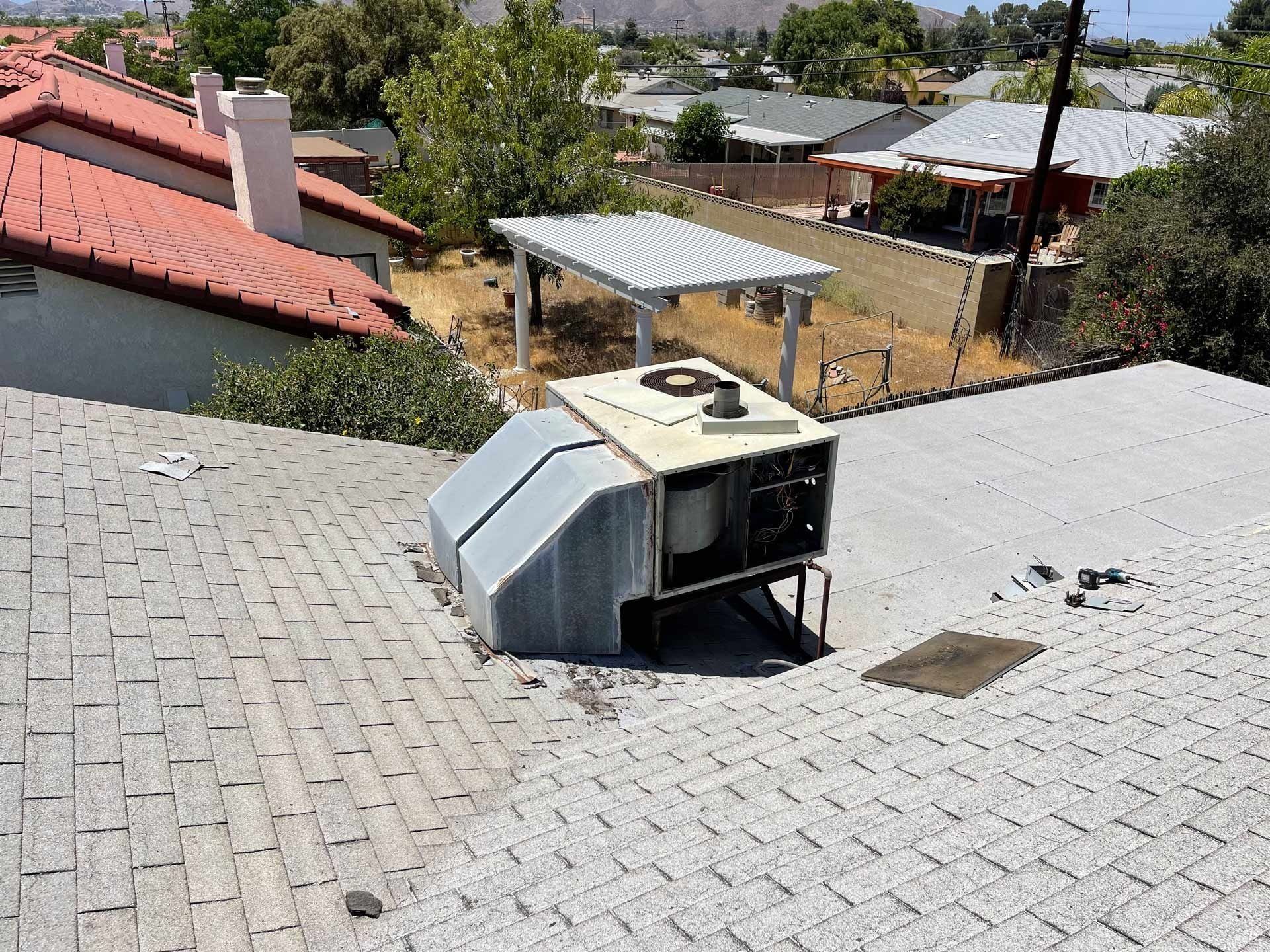
When your HVAC system suddenly stops working, it rarely happens at a convenient time. It might be during a late-summer heatwave in Fallbrook when temperatures are pushing into the 90s, or during one of those unexpectedly cold winter nights when the coastal air turns damp and chilly. Regardless of the season, a sudden heating or cooling failure creates stress, discomfort, and in some cases, safety concerns.
At
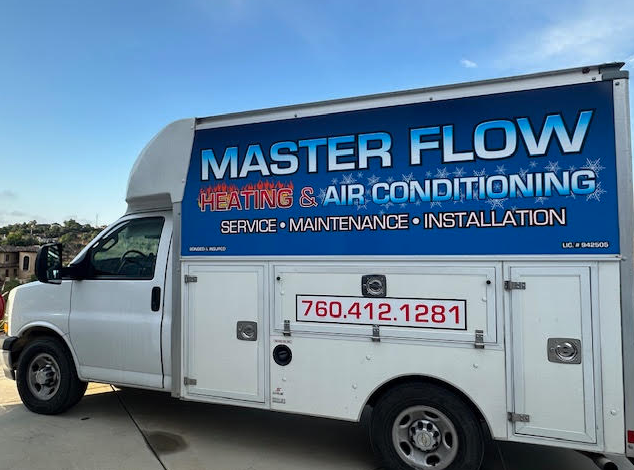
Master Flow Heating & Air Conditioning, we regularly assist Fallbrook homeowners facing urgent HVAC issues. Knowing what to do in the first few minutes after a system failure can prevent further damage, reduce repair costs, and restore comfort faster.
This guide walks you through the exact steps to take during an HVAC emergency, what warning signs to watch for, and how to reduce the chances of future breakdowns.
Step 1: Stay Calm and Assess the Situation
An HVAC emergency can feel overwhelming, especially during extreme temperatures. Before assuming the worst, take a few minutes to assess what is actually happening.
Ask yourself:
- Is the system completely unresponsive?
- Is it running but not heating or cooling properly?
- Are there unusual sounds, smells, or leaks?
- Did the issue start suddenly or gradually?
Understanding the symptoms helps determine whether you are dealing with a minor issue or a serious system failure.
Step 2: Check the Thermostat First
Many service calls are triggered by thermostat-related issues. Before assuming your furnace or AC unit has failed, verify the following:
- The thermostat is set to the correct mode (cool, heat, or auto).
- The temperature setting is appropriate.
- The batteries are not dead.
- The display is functioning normally.
Smart thermostats may also disconnect from Wi-Fi or reset during power outages. Confirm settings before moving to deeper troubleshooting.
Step 3: Inspect the Circuit Breaker
If your system is completely unresponsive, the issue may be electrical.
Locate your electrical panel and check for a tripped breaker labeled HVAC, furnace, or air conditioner. If the breaker is tripped:
- Switch it fully to the OFF position.
- Then flip it back to ON.
If it trips again immediately, do not continue resetting it. This may indicate an electrical fault that requires professional service.
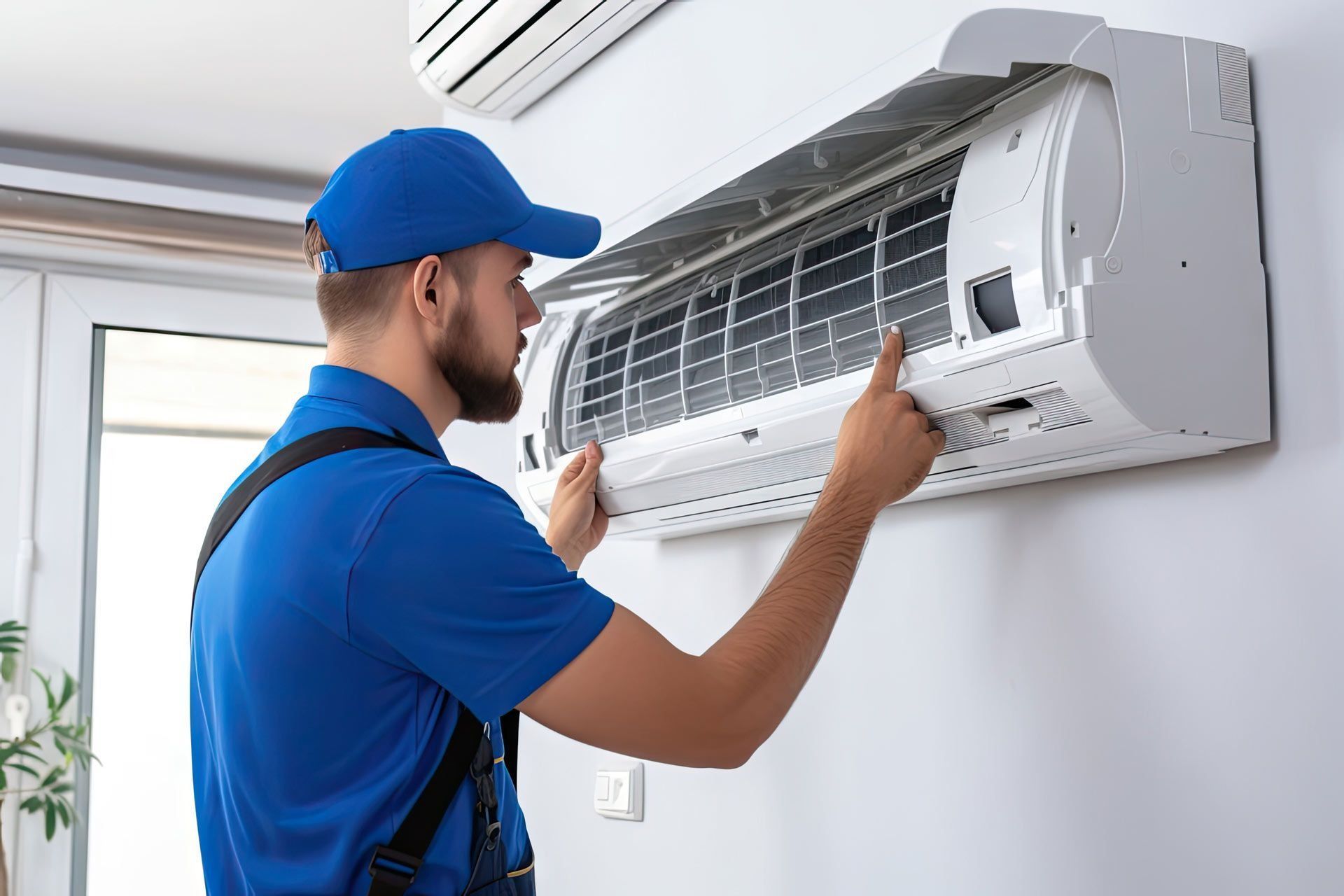
Step 4: Replace or Inspect the Air Filter
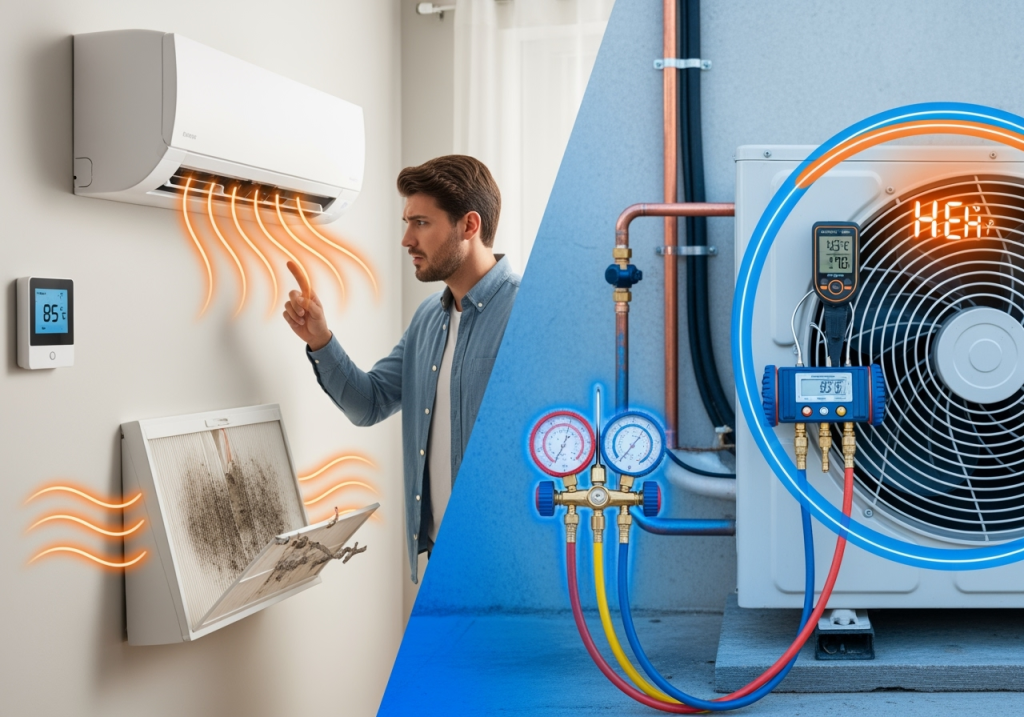
In Fallbrook’s dry climate, dust accumulation is common—especially during late summer and early fall. A clogged air filter restricts airflow and can cause:
- AC freeze-ups
- Furnace overheating
- Short cycling
- Reduced system performance
If the filter appears dirty or hasn’t been changed in 1–3 months, replace it. Restricted airflow is one of the most preventable causes of emergency HVAC calls.
Step 5: Look for Ice or Water Around the System
If your air conditioner is running but not cooling, check for:
- Ice buildup on refrigerant lines
- Frozen evaporator coils
- Standing water near the indoor unit
Ice typically forms when airflow is restricted or refrigerant levels are low. Turn the system off immediately to prevent compressor damage and allow the ice to thaw.
Water pooling around the indoor unit may indicate a clogged condensate drain line—a common issue during humid weather.
Step 6: Listen for Unusual Noises
Certain sounds indicate potentially serious problems:
- Grinding: Possible motor bearing failure
- Banging: Loose internal components
- Screeching: Belt or motor issues
- Clicking repeatedly: Electrical relay problems
- Hissing: Possible refrigerant leak
If you hear anything out of the ordinary, shut the system down to prevent further mechanical damage.
Step 7: Be Aware of Safety Hazards
Some HVAC emergencies involve safety concerns rather than comfort alone.
Signs of a Dangerous Heating Issue
- A strong gas odor
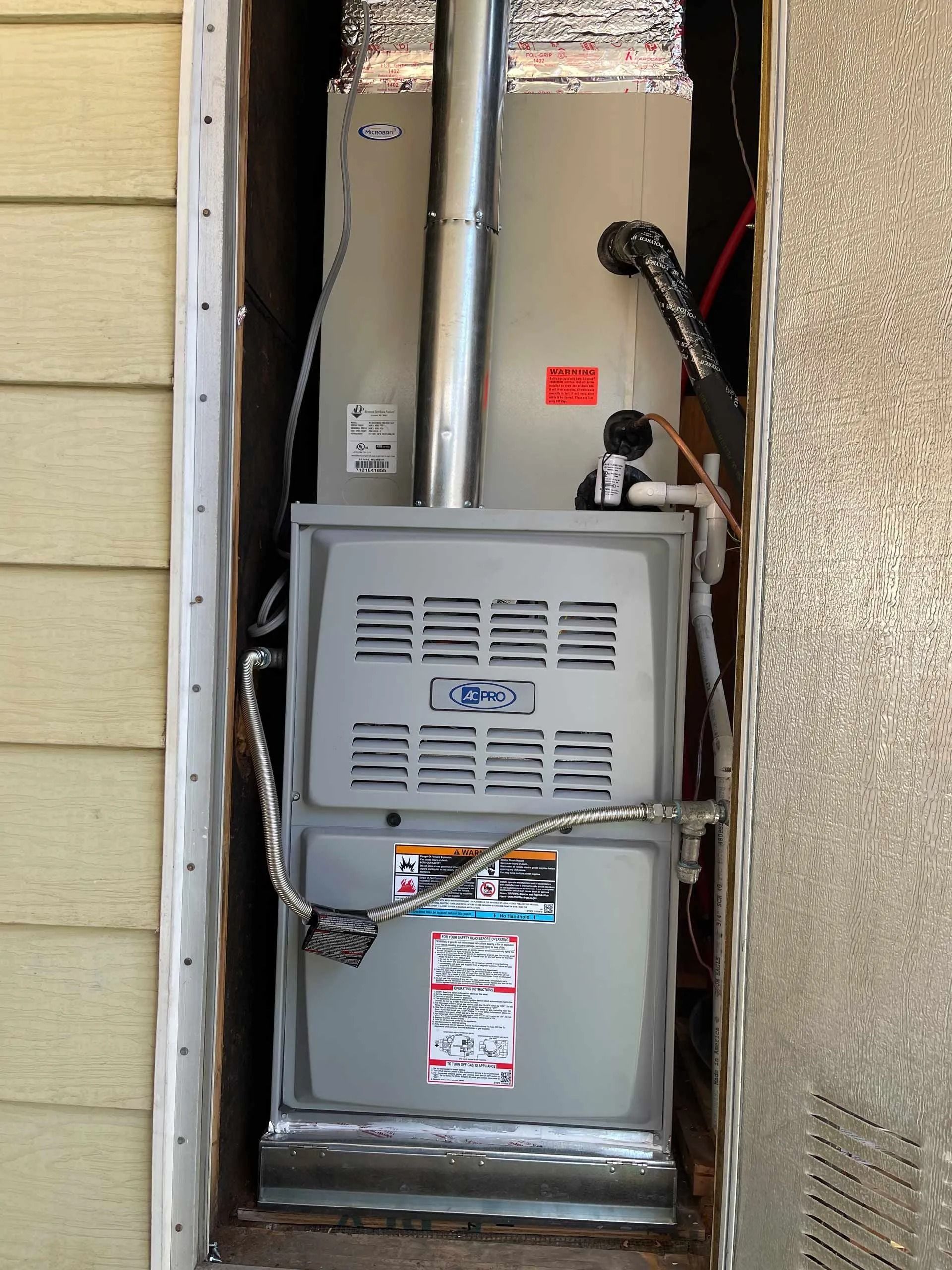
- A yellow or flickering furnace flame (should be blue)
- Carbon monoxide detector alarms
- Burning smells that do not fade quickly
If you suspect a gas leak or carbon monoxide issue:
- Leave the home immediately.
- Contact emergency services or your gas provider.
- Do not re-enter until cleared.
Safety always comes first.
For additional safety guidance, review information from the EPA regarding carbon monoxide risks:
https://www.epa.gov/indoor-air-quality-iaq/carbon-monoxide-inside-home
Why HVAC Emergencies Happen in Fallbrook
Several local factors contribute to sudden system failures:
1. Extreme Temperature Swings
Although Fallbrook has a mild climate, rapid seasonal shifts can push systems that haven’t been used in months into sudden heavy operation.
2. Dust and Debris
Dry conditions increase airborne dust, clogging filters and coils.
3. Aging Equipment
Many homes in Fallbrook have HVAC systems over 15 years old. Older systems are far more prone to sudden breakdowns.
4. Lack of Maintenance
Skipping annual inspections significantly increases the likelihood of emergency failures.
When Is It Truly an HVAC Emergency?
An HVAC issue becomes urgent when:
- Indoor temperatures reach unsafe levels
- There is a gas or carbon monoxide risk
- The system is leaking water that could damage property
- The unit repeatedly trips breakers
- There are electrical burning smells
In moderate cases, the system may still run but perform poorly. These situations should still be addressed promptly to prevent larger damage.
How to Reduce Future HVAC Emergencies
While some breakdowns are unavoidable, most emergencies stem from preventable causes. Here’s how Fallbrook homeowners can minimize risk:
Schedule Annual Maintenance
Routine inspections identify worn components before they fail.
Replace Filters Regularly
Clean filters protect airflow and system longevity.
Keep Outdoor Units Clear
Trim vegetation and remove debris around condenser units.
Upgrade Aging Systems
If your HVAC system is 15–20 years old, replacement may be more cost-effective than repeated repairs.
Install Surge Protection
Power fluctuations can damage HVAC electronics. Surge protectors help protect control boards and motors.
Frequently Asked Questions
How fast can emergency HVAC service be completed?
Many repairs can be completed the same day, depending on the issue and part availability. More complex failures may require ordered components.
Should I run my system if it’s making noise?
No. Continued operation can cause more severe internal damage. Shut it down and schedule service.
Can high temperatures damage my HVAC system?
Yes. Prolonged operation during heatwaves increases strain on compressors and motors, especially in older systems.
Is it better to repair or replace during an emergency?
If the system is under 10 years old and repair costs are reasonable, repair usually makes sense. For older systems with major failures, replacement may be the more reliable long-term solution.
Trusted Emergency HVAC Service in Fallbrook
When your heating or cooling system fails unexpectedly, quick action matters. Master Flow Heating & Air Conditioning provides responsive service throughout Fallbrook, Bonsall, Rainbow, and surrounding communities. Our technicians diagnose issues accurately and provide clear recommendations to restore comfort efficiently and safely.
If your HVAC system has stopped working or is showing signs of failure, professional evaluation ensures the problem is resolved correctly the first time.