If you're replacing or upgrading your heating system in Fallbrook, one of the most important decisions you’ll face is whether to install a traditional gas furnace or switch to a heat pump. Both systems are designed to heat your home effectively, but they operate differently and offer distinct advantages depending on climate, energy costs, and household needs.
Because Fallbrook has a relatively mild winter climate compared to colder regions of the country, homeowners here have more flexibility in choosing between these systems. Understanding the differences in performance, efficiency, operating costs, and long-term value can help you determine which option is the right fit.
At Master Flow Heating & Air Conditioning, we help homeowners throughout Fallbrook, Bonsall, and nearby communities evaluate heating system options based on comfort goals and energy efficiency priorities.
This guide breaks down how each system works, the pros and cons of each, and how to decide which is best for your home.
How a Furnace Works
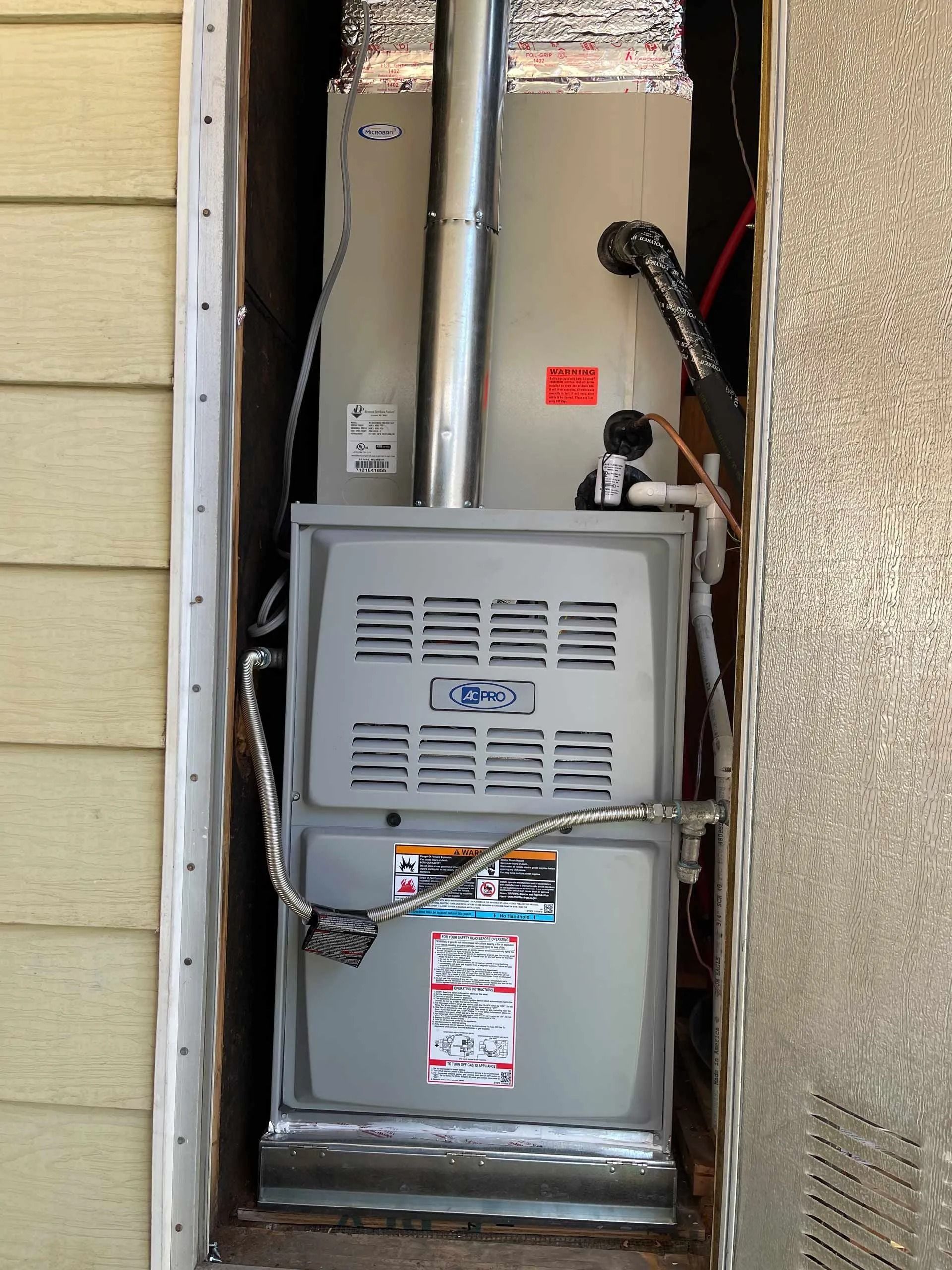
A gas furnace generates heat by burning natural gas or propane. The combustion process heats a metal heat exchanger, and a blower fan distributes warm air through your ductwork.
Furnaces are known for producing powerful, consistent heat quickly. They are especially effective in colder climates where outdoor temperatures drop below freezing for extended periods.
Modern furnaces are rated by AFUE (Annual Fuel Utilization Efficiency), which measures how efficiently fuel is converted into usable heat. High-efficiency models can reach AFUE ratings of 90–98 percent.
How a Heat Pump Works
Unlike a furnace, a heat pump does not create heat by burning fuel. Instead, it transfers heat from one location to another.
During winter, a heat pump extracts heat from the outdoor air and transfers it indoors. In summer, it reverses direction and functions as an air conditioner by removing heat from inside your home.
Heat pumps are rated by HSPF (Heating Seasonal Performance Factor) for heating efficiency and SEER (Seasonal Energy Efficiency Ratio) for cooling efficiency.
Because heat pumps provide both heating and cooling, they serve as a year-round comfort system.
Why Climate Matters in Fallbrook
Fallbrook’s winter temperatures typically range between the mid-40s and mid-60s. Freezing temperatures are rare and usually brief.
This moderate climate makes heat pumps especially attractive, since they operate most efficiently in milder winter conditions. In extremely cold climates, heat pumps can lose efficiency and require supplemental heating. However, in Fallbrook, that limitation is far less significant.
Energy Efficiency Comparison
Furnace Efficiency
High-efficiency gas furnaces can reach 95–98 percent AFUE. That means nearly all the fuel consumed is converted into heat.
However, fuel costs fluctuate, and gas prices can impact monthly heating bills.
Heat Pump Efficiency
Heat pumps are extremely efficient in mild climates because they move heat rather than generate it. For every unit of electricity used, a heat pump can deliver multiple units of heat energy.
In Fallbrook’s climate, a modern heat pump can provide highly efficient heating throughout most of the winter season.
Installation Cost Comparison
Furnace Installation
Installing a furnace alone typically costs less than installing a heat pump if you already have a separate air conditioning system.
However, if both your heating and cooling systems are aging, replacing both separately may cost more than installing a single heat pump system.
Heat Pump Installation
Heat pumps may have a slightly higher upfront cost, but they eliminate the need for a separate furnace and air conditioner.
In many cases, homeowners upgrading both systems at once find that a heat pump provides long-term savings.
Operating Cost Considerations
In Fallbrook, operating costs depend largely on energy rates for electricity versus natural gas.
Heat pumps typically have lower operating costs in moderate climates due to their efficiency.
However, if electricity rates are high relative to gas, that may influence your decision.
Evaluating long-term utility expenses is important when comparing these systems.
Comfort and Performance Differences
Furnace Comfort
Gas furnaces produce hotter supply air than heat pumps. This can make homes feel warmer more quickly during cold mornings.
Heat Pump Comfort
Heat pumps provide more gradual, steady heating. Instead of short bursts of intense heat, they maintain consistent indoor temperatures.
In Fallbrook’s mild winters, many homeowners prefer the steady comfort provided by heat pumps.
Environmental Impact
Heat pumps are often considered more environmentally friendly because they do not burn fossil fuels on-site.
If powered by renewable electricity, heat pumps can significantly reduce a household’s carbon footprint.
Gas furnaces rely on combustion, which produces greenhouse gas emissions.
For homeowners focused on sustainability, heat pumps are often the preferred option.
Maintenance Differences
Both systems require annual maintenance.
Furnaces require:
- Burner inspection
- Heat exchanger checks
- Gas line inspection
- Carbon monoxide safety testing
Heat pumps require:
- Refrigerant level checks
- Coil cleaning
- Electrical inspections
- Reversing valve checks
Since heat pumps operate year-round, they may require slightly more frequent service.
Lifespan Expectations
- Gas furnaces typically last 15–20 years.
- Heat pumps typically last 12–15 years due to year-round operation.
However, proper maintenance plays a major role in system longevity.
Frequently Asked Questions
Is a heat pump enough for Fallbrook winters?
Yes. Fallbrook’s mild climate makes heat pumps highly effective for winter heating.
Will a heat pump lower my energy bills?
In many cases, yes—especially when replacing older, inefficient systems.
Can I keep my furnace and add a heat pump?
Yes. Dual-fuel systems combine both technologies for maximum flexibility.
Which system lasts longer?
Furnaces often last slightly longer, but both systems provide many years of reliable service when properly maintained.
Making the Right Choice for Your Fallbrook Home
Choosing between a heat pump and furnace depends on your priorities:
- Energy efficiency goals
- Budget
- Existing system condition
- Environmental considerations
- Long-term utility costs
For many Fallbrook homeowners, heat pumps offer exceptional efficiency and year-round convenience. However, furnaces remain a reliable and powerful heating option.
Master Flow Heating & Air Conditioning provides system evaluations and professional guidance to help you determine which solution aligns with your home’s needs.